If you’re a homeowner or prospective buyer in New Jersey, mold is one issue you simply can’t afford to ignore. With our region’s humidity, seasonal weather changes, and older housing stock, mold growth is more common than many people realize. A professional mold inspection can protect your health, your property, and your investment.
Why Mold Is a Serious Problem
Mold thrives in damp, dark environments and can begin growing within 24–48 hours of moisture exposure. In New Jersey homes, common problem areas include basements, crawl spaces, attics, bathrooms, and around windows or roofs with leaks.
Beyond property damage, mold can also impact your health. Exposure may cause:
- Allergic reactions
- Respiratory issues
- Skin irritation
- Worsened asthma symptoms
For families with children, elderly residents, or individuals with compromised immune systems, the risks are even greater.
Signs You May Have Mold
Mold isn’t always visible. Here are some warning signs that it may be present in your home:
- Musty or earthy odors
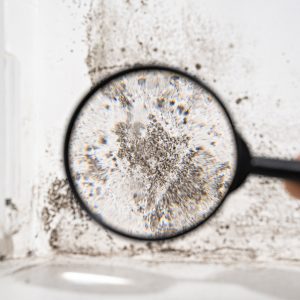
- Visible discoloration on walls or ceilings
- Water stains or past flooding
- Peeling paint or warped materials
- Increased allergy symptoms indoors
If you notice any of these, it’s time to consider a professional inspection.
What Happens During a Mold Inspection?
A certified New Jersey home inspector will conduct a thorough evaluation of your property, which may include:
- Visual inspection of high-risk areas
- Moisture detection using specialized tools
- Air and surface sampling (if necessary)
- Identification of the source of moisture
The goal isn’t just to find mold—it’s to determine why it’s there and how to prevent it from returning.
Why You Need a Professional in NJ
New Jersey’s climate creates the perfect environment for mold growth, especially during humid summers and wet winters. A local inspector understands regional building practices and common moisture issues specific to NJ homes.
Hiring a qualified professional ensures:
- Accurate identification of mold problems
- Proper documentation for real estate transactions
- Clear guidance on remediation steps
Mold and Real Estate Transactions
If you’re buying or selling a home in New Jersey, mold can significantly impact the deal. Buyers may request inspections, and lenders or insurers may require mold issues to be addressed before closing.
A pre-listing inspection can help sellers avoid surprises, while buyers gain peace of mind knowing the home is safe.
Preventing Mold in Your Home
While inspections are essential, prevention is just as important. Here are some tips:
- Keep indoor humidity below 60%
- Fix leaks promptly
- Use exhaust fans in bathrooms and kitchens
- Ensure proper attic and basement ventilation
- Install a dehumidifier if needed
Schedule Your Mold Inspection Today
Don’t wait until mold becomes a costly problem. Whether you’re buying, selling, or simply maintaining your home, a professional mold inspection is a smart investment.
If you suspect mold or want peace of mind, contact a trusted New Jersey home inspector today to schedule a comprehensive evaluation.
Your home—and your health—are worth it.