
New Jersey homeowners are no strangers to severe weather. From powerful thunderstorms and coastal storms to the occasional hurricane impact, our region experiences a wide range of conditions that can put homes at risk. After any significant storms, like the ones we experienced over the past few days, it’s critical to assess your property for damage—not only to protect your investment, but to ensure your home remains safe for you and your family.
We often see storm-related issues that could have been addressed early with proper awareness and timely inspections. Here’s what you need to know about storm damage and how to keep your home safe.
Common Types of Storm Damage
Storms can affect multiple parts of your home, sometimes in ways that aren’t immediately visible. Some of the most common issues include:
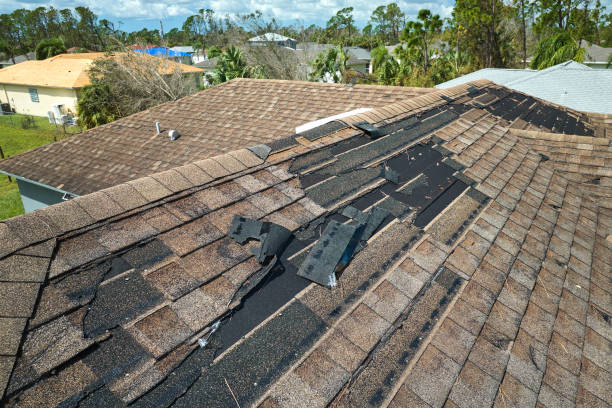
- Roof Damage: High winds can loosen or remove shingles, while hail can cause dents and cracks. Even minor damage can lead to leaks over time.
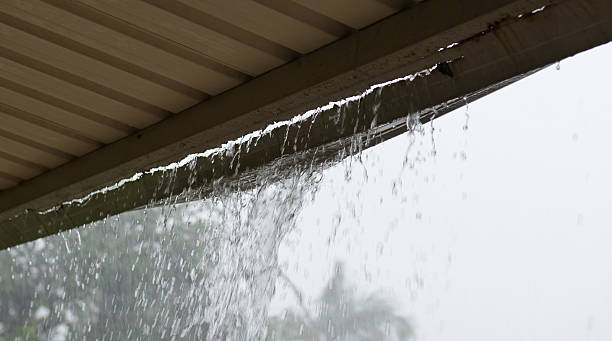
- Water Intrusion: Heavy rain can overwhelm gutters or seep through compromised roofing, siding, or foundation areas.
- Siding and Exterior Damage: Wind-driven debris can crack siding, break windows, or damage doors.
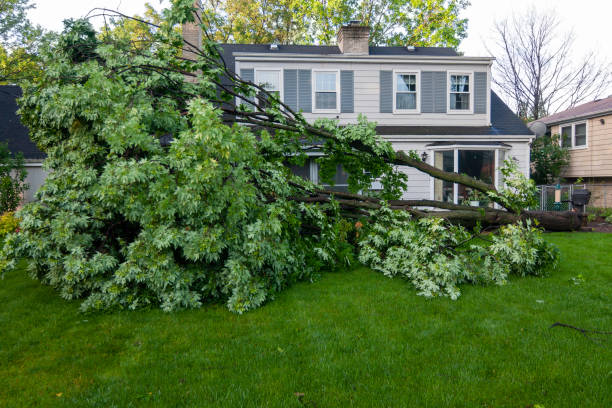
- Tree and Limb Impact: Falling branches can damage roofs, gutters, and even structural components.
- Electrical Hazards: Downed power lines or water exposure can create serious safety risks.
Why a Post-Storm Inspection Matters
Not all damage is obvious. A small roof leak or minor structural shift may go unnoticed until it becomes a costly problem. A professional home inspection after a violent storm can:
- Identify hidden damage early
- Prevent more expensive repairs down the line
- Help document issues for insurance claims
- Provide peace of mind that your home is structurally sound
In many cases, homeowners assume everything is fine simply because there’s no visible damage inside the home. Unfortunately, that’s not always the case.
Safety First: What Homeowners Should Do
After a storm passes, safety should be your top priority. Here are a few important steps:
- Stay Clear of Hazards: Avoid downed power lines and unstable structures.
- Check for Immediate Issues: Look for visible roof damage, broken windows, or water leaks.
- Turn Off Utilities if Needed: If you suspect water has reached electrical systems, shut off power and call a professional.
- Document Damage: Take photos for insurance purposes before making temporary repairs.
- Schedule a Professional Inspection: A licensed home inspector can provide a thorough evaluation of your property.

Preventative Measures for Future Storms
While you can’t control the weather, you can reduce your home’s vulnerability:
- Keep gutters and downspouts clean and functional
- Trim trees and remove weak branches near your home
- Secure loose outdoor items before storms
- Ensure your roof is regularly inspected and maintained
- Check that sump pumps and drainage systems are working properly

Storm damage isn’t always obvious, but its effects can be long-lasting if left unaddressed. A proactive approach—combined with a professional inspection—can save you time, money, and stress.
If your New Jersey home has recently experienced severe weather, don’t take chances. A thorough inspection can uncover hidden issues and help you move forward with confidence, knowing your home is safe and secure.